Adaptive Design Elements Reshaping Accessibility in Mobile Platforms for Complimentary Reel Play
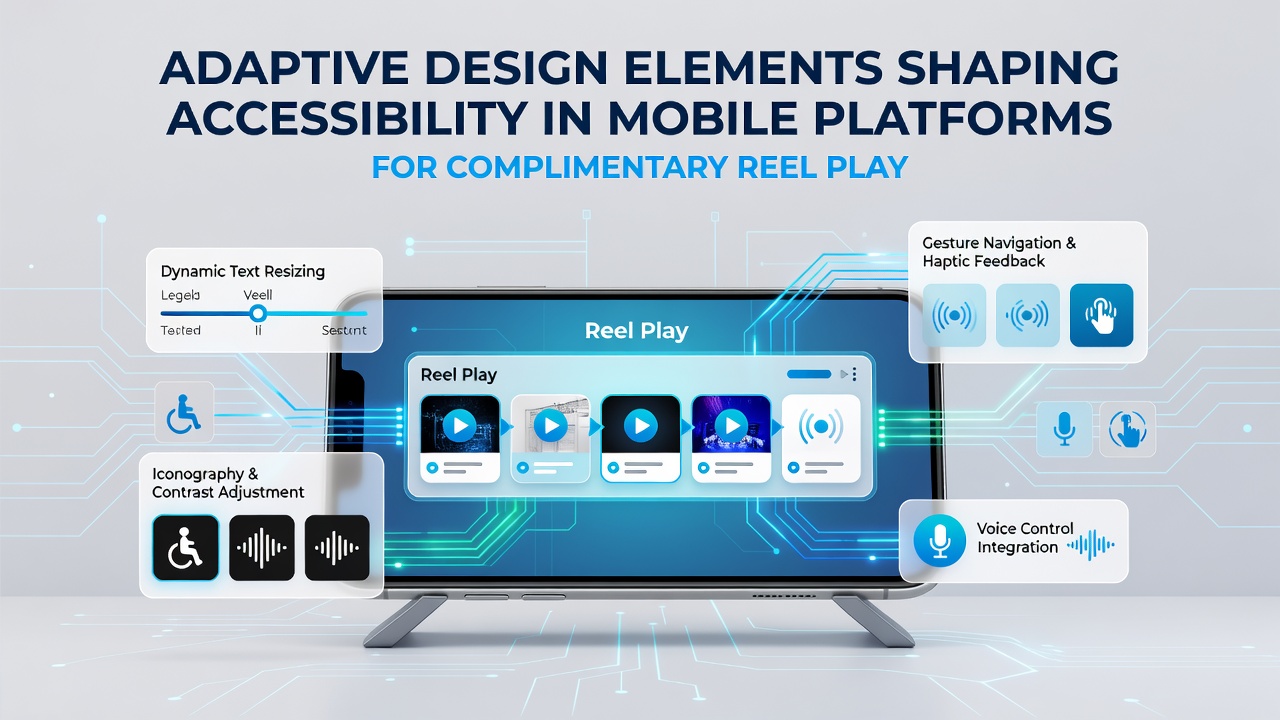
Developers continue refining mobile interfaces that adjust automatically to user needs during complimentary reel sessions, incorporating features that respond to device settings and individual preferences without requiring manual configuration each time. These systems detect screen reader activation, font scaling requests, and color contrast requirements then apply changes across reel animations, control panels, and information overlays in real time.
Core Adaptive Components in Current Mobile Reel Environments
Dynamic layout engines form the foundation of these platforms, allowing button sizes and spacing to expand based on touch target guidelines while maintaining the visual integrity of spinning reels and symbol grids. Data from accessibility audits shows that platforms implementing variable touch zones report higher completion rates for bonus round sequences among users who rely on motor assistance tools.
Voice navigation integration has expanded beyond basic commands, now supporting direct reel spin initiation and payline selection through spoken instructions that sync with on-screen highlights. Observers note that such additions reduce reliance on precise finger movements during extended free play periods.
Visual and Auditory Adjustments Driving Broader Participation
High-contrast modes automatically activate when ambient light sensors detect low-light conditions or when users enable system-level accessibility toggles, ensuring symbol details remain distinguishable even on smaller displays. Research indicates these adjustments help maintain engagement levels across diverse lighting environments common in mobile usage patterns.
Audio cue customization allows players to amplify reel stop sounds or substitute visual win notifications with distinct tones, a feature that aligns with guidelines from organizations tracking digital inclusion metrics. One study revealed that platforms offering layered audio options saw increased session durations among participants testing complimentary reel titles.
Implementation Patterns Observed Across Major Platforms in 2026
By June 2026 several providers had rolled out unified accessibility profiles that carry user settings between different complimentary reel titles on the same device, eliminating repeated setup steps. These profiles store preferences for animation speed reduction, text-to-speech priority, and gesture alternatives then apply them instantly upon game launch.
Touchscreen calibration tools now include sensitivity sliders that recalibrate swipe and tap responses for users with varying dexterity levels, while reel physics engines scale deceleration rates to match those inputs. Industry reports document measurable improvements in feature trigger accuracy after these calibrations take effect.
Regulatory and Standards Alignment Shaping Development Priorities
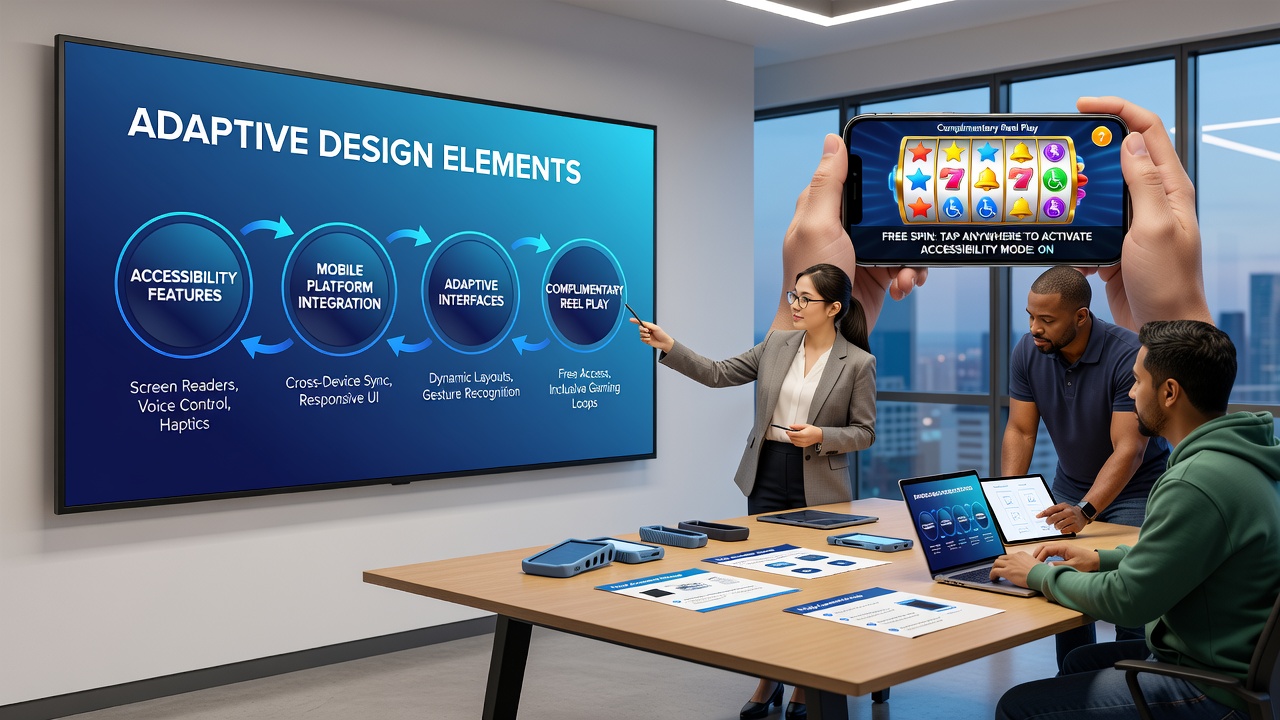
Alignment with international mobile accessibility frameworks has prompted developers to embed semantic markup that screen readers interpret correctly when describing reel positions and win calculations. W3C mobile accessibility guidelines serve as reference points for many engineering teams working on reel interfaces.
Canadian regulatory updates released earlier in 2026 emphasized measurable accessibility benchmarks for digital gaming products, leading several operators to publish compliance documentation that details adaptive feature coverage in free-to-play environments. Canadian Radio-television and Telecommunications Commission accessibility resources provide additional context on evolving expectations.
Future Trajectories for Adaptive Reel Accessibility
Emerging sensor integrations point toward platforms that anticipate user requirements by analyzing grip patterns and device orientation data to pre-adjust interface density before reels begin spinning. Those monitoring these developments report early prototypes already demonstrate reduced setup friction for new users entering complimentary reel ecosystems.
Conclusion
Adaptive design continues evolving as a central factor in expanding access to mobile complimentary reel play, with technical refinements appearing steadily across platforms throughout 2026. These elements collectively support consistent interaction quality regardless of individual device configurations or accessibility requirements.