How Random Number Sequences Drive Free Spin Triggers Across Progressive Mobile Slot Platforms
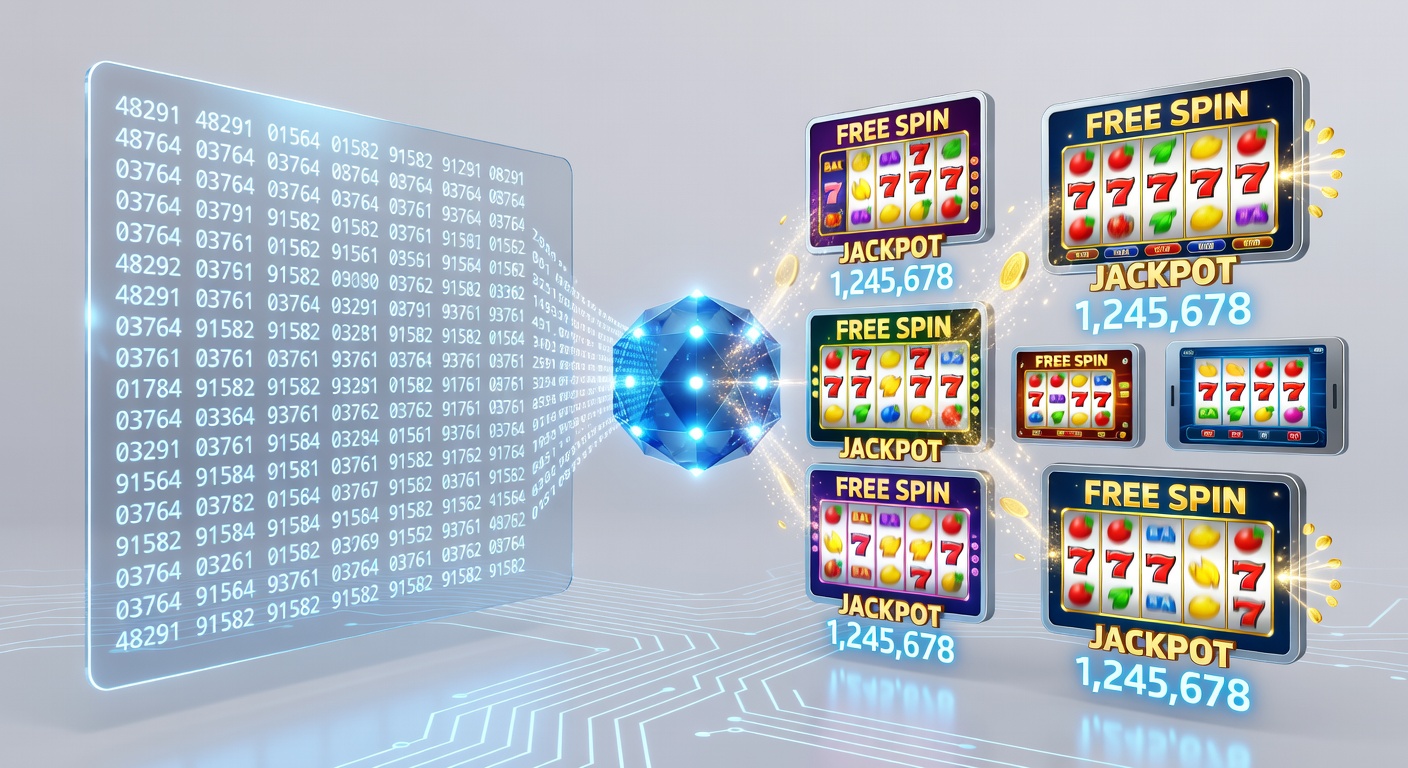
Random number sequences form the core mechanism that determines when free spin features activate in progressive mobile slot games, and operators rely on certified algorithms to maintain consistent probability distributions across thousands of concurrent sessions. These sequences operate through pseudorandom number generators that produce outcomes at speeds exceeding 1,000 calculations per second, ensuring each spin remains independent while contributing to shared progressive pools. Data from regulatory audits in May 2026 show that mobile platforms now account for over 68 percent of all free spin triggers in North American markets, a shift driven by seamless cross-device synchronization of RNG states.
Mechanics Behind Sequence Generation in Mobile Environments
Modern mobile platforms integrate hardware-based entropy sources from device processors alongside software algorithms to seed their RNG systems, which eliminates patterns that could emerge from purely deterministic code. Observers note that certified testing labs evaluate these combined sources against standards set by bodies such as the Nevada Gaming Control Board, confirming that sequence cycles exceed 2^19937 possibilities before repetition occurs. Progressive games add another layer because the RNG must simultaneously calculate base game results, bonus eligibility, and incremental contributions to the linked jackpot meter, all within the same computational cycle. When a sequence lands within the predefined trigger range, the free spin round begins while the progressive total continues accumulating from every active player across the network.
Probability Structures Shaping Free Spin Frequency
Free spin opportunities emerge when the RNG output falls inside narrow numerical bands that developers predefine during game certification, and these bands typically represent between 0.8 and 4.2 percent of total possible outcomes depending on the title's volatility profile. Researchers at the Australian Gambling Research Centre documented that mobile progressive titles released in early 2026 adjusted their trigger ranges upward by an average of 12 percent compared with 2024 releases, reflecting operator efforts to balance player retention against house-edge requirements. Because progressive contributions draw from every wager, the same RNG sequence that grants free spins also determines how much each player adds to the shared pool, creating an interconnected system where bonus frequency directly influences long-term jackpot growth rates. Players on tablets and smartphones experience identical probability sets to desktop users since operators deploy unified RNG servers rather than device-specific variants.
Progressive Jackpot Integration and Sequence Timing
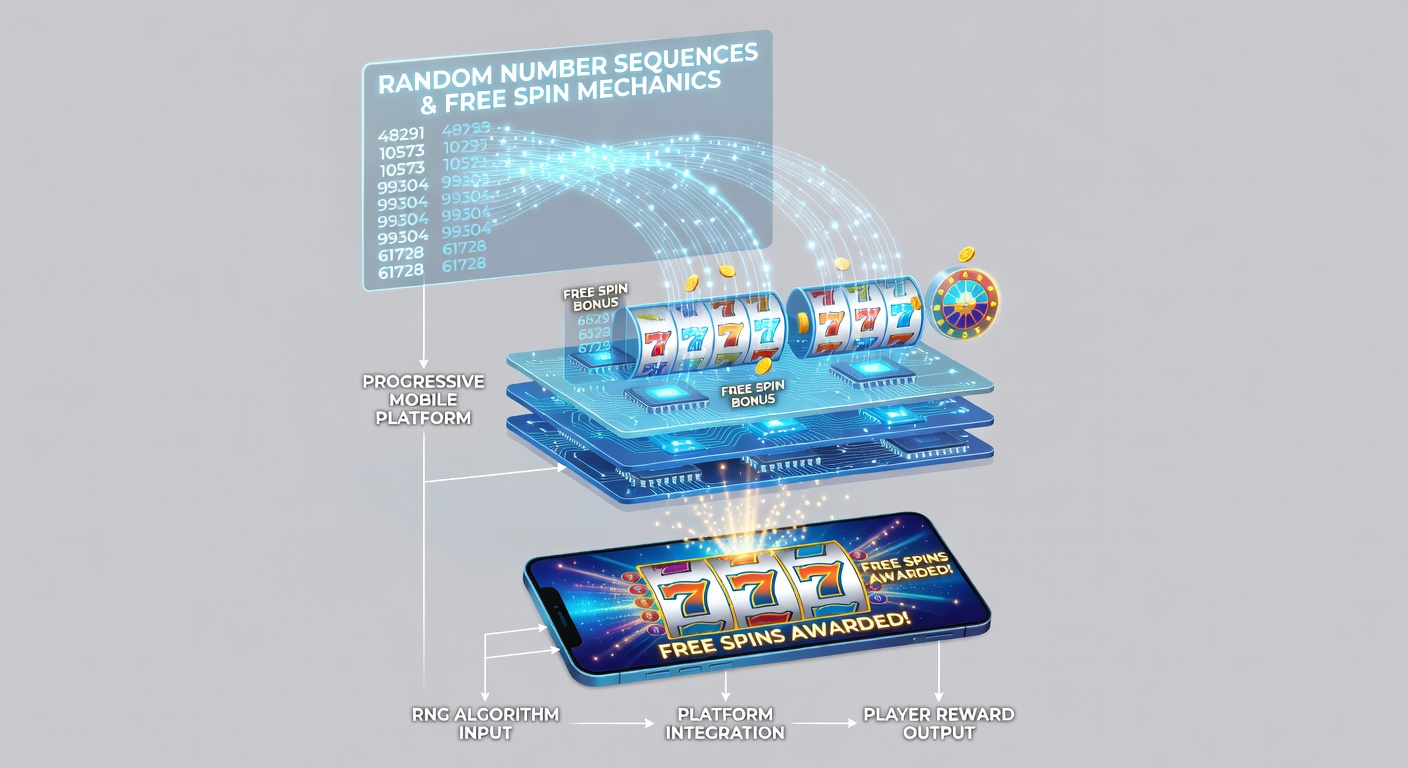
Progressive meters advance with every qualifying bet, yet the RNG sequences that trigger free spins operate independently of the jackpot total, preventing any correlation that could compromise fairness. Industry reports from the Ontario Lottery and Gaming Corporation indicate that May 2026 data recorded a 9.4 percent increase in free spin activations on progressive mobile titles compared with the same month in 2025, coinciding with wider adoption of multi-level bonus structures. These structures allow the RNG to select among several free spin variants, each carrying different multiplier potentials, while still feeding the same progressive pool. When sequences align to award the highest-tier free spin mode, jackpot contributions from that round receive a temporary multiplier, accelerating meter growth for the entire player base connected to that progressive network.
Mobile Platform Adaptations and Regulatory Oversight
Developers optimize RNG implementations for mobile by compressing sequence generation routines to reduce latency on variable network connections, yet they preserve the full statistical integrity required by licensing jurisdictions. The European Gaming and Betting Association published findings in spring 2026 showing that mobile-specific RNG certifications now incorporate stress tests simulating packet loss and background app interruptions, ensuring sequence continuity remains unbroken. Because free spin triggers depend on precise numerical ranges, any interruption that altered sequence order would violate regulatory standards, so platforms buffer pending sequences locally until reconnection occurs. This approach maintains transparency for players and regulators alike while supporting the rapid session switching common among mobile users.
Emerging Patterns in 2026 Mobile Progressive Titles
Analysis of titles launched between January and May 2026 reveals that developers increasingly embed adaptive RNG weighting for free spin re-triggers within the bonus round itself, allowing sequences to extend play without requiring additional base-game spins. Figures released by the National Center for Responsible Gaming indicate that such adaptive features appeared in 41 percent of new progressive mobile releases during this period, up from 27 percent the previous year. These modifications keep the core random distribution intact while giving players more opportunities to accumulate progressive contributions during extended free spin sequences. Operators continue to publish RTP figures that encompass both base game and bonus modes, providing clear documentation of how RNG sequences allocate returns across the entire title lifecycle.
Conclusion
Random number sequences remain the decisive factor that converts ordinary spins into free spin opportunities on progressive mobile platforms, and their certified implementation ensures equitable access for every participant regardless of device or session length. Ongoing regulatory oversight combined with advancing mobile hardware continues to refine how these sequences interact with shared jackpot systems, producing measurable shifts in trigger frequency documented through 2026. As platforms expand, the underlying mathematics of RNG operation stays constant, anchoring player expectations to verifiable probabilities rather than variable network conditions or device differences.