Integrating Probability Models With Interface Design for Mobile Slot Engagement

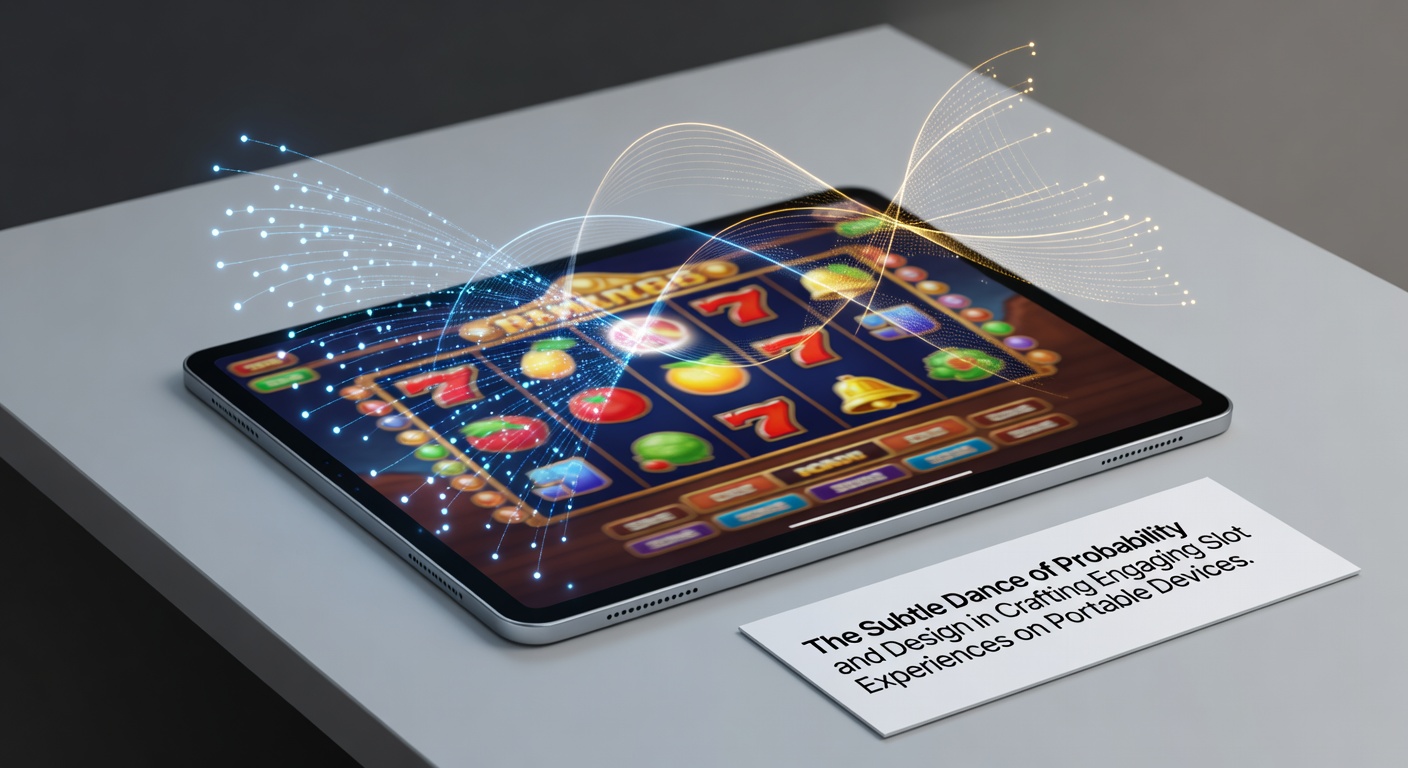
Designers and mathematicians collaborate to shape mobile slot experiences where probability calculations determine every outcome while visual and audio elements guide player attention across small screens, and this balance has grown more refined as portable devices dominate access to casino-style games in 2026. Research from institutions such as the University of Nevada's gaming studies program shows that hit frequencies and payout distributions remain core to session duration metrics tracked by operators worldwide.
Developers calculate reel strip configurations and symbol weights during pre-production phases so that return-to-player percentages stay within regulatory bands set by bodies including the Nevada Gaming Control Board and the Australian Communications and Media Authority, yet those same calculations also influence how often near-miss animations appear to maintain visual momentum without altering underlying odds. Observers note that teams test these sequences across dozens of device resolutions before release because touch latency and screen aspect ratios directly affect how quickly players perceive and respond to reel stops.
Mathematical Foundations Behind Reel Behavior
Each symbol placement on virtual reels follows weighted random distributions generated by certified pseudorandom number generators, and software studios document these weights in technical submissions required for licensing in multiple jurisdictions. Data from industry reports published by the European Gaming and Betting Association indicates that average mobile sessions last between eight and twelve minutes when reel speeds and animation timings align with natural finger-tap rhythms observed in usability labs. Engineers adjust spin durations and deceleration curves so that the final symbols land within a predictable visual window, creating a sense of anticipation rooted in probability rather than pure chance presentation.
Interface Choices That Support Probabilistic Flow
Button placement, swipe gestures, and auto-play toggles receive equal scrutiny because they determine how frequently players initiate spins and how long they remain engaged with the mathematics unfolding beneath the graphics. Studies conducted at the University of Macau's gaming research center reveal that players on tablets complete more spins per minute than smartphone users when control clusters sit within comfortable thumb-reach zones, a pattern that operators incorporate when scaling probability tables across hardware profiles. Color palettes and particle effects further modulate perceived pace, directing eyes toward high-value symbols at moments when reel outcomes approach bonus thresholds without changing actual likelihoods.
Sound design layers reinforce these visual cues through layered audio tracks that rise in intensity as reels slow, matching documented patterns of player heart-rate variability recorded during controlled playtests. Such synchronization keeps engagement steady even when long sequences of low-value combinations occur, which probability models predict will happen at regular intervals.
Regulatory Oversight and Testing Protocols in May 2026
By May 2026 regulatory updates in several North American and European markets require additional documentation of how mobile-specific animations interact with certified random outcomes, prompting studios to submit device-by-device verification reports. Auditors examine whether visual near-miss frequency stays proportional to mathematical probability across updates pushed to app stores, ensuring that design enhancements never mask core odds. Compliance teams run parallel simulations on emulators representing the most common operating systems and screen sizes, logging thousands of spins to confirm consistency before any public rollout.
These protocols build on earlier frameworks established by the Malta Gaming Authority and the Kahnawake Gaming Commission, both of which now request metadata showing how interface adjustments influence average spins per session. Operators compile anonymized telemetry from live deployments to refine future probability calibrations while staying within approved parameters.
Cross-Platform Scaling and Player Retention Data
Mobile development pipelines now include automated regression suites that retest probability distributions after every graphic or sound update, preventing unintended shifts in outcome frequencies. Figures released by the American Gaming Association show continued growth in mobile slot revenue share through early 2026, driven partly by design refinements that keep reel cycles responsive on variable network connections. Teams monitor drop-off points where players abandon sessions and correlate those moments with specific reel states, then adjust animation lengths or bonus teaser frequencies accordingly while preserving the original mathematical structure.
One documented case involved a studio that shortened reel-stop intervals by 120 milliseconds on mid-range Android devices after lab data revealed higher completion rates when visual feedback matched typical touch sampling rates, and subsequent field metrics confirmed improved retention without any alteration to payout tables.
Conclusion
Probability calculations and design decisions continue to evolve together as portable hardware advances and regulatory expectations tighten, with each element informing the other to produce coherent experiences across thousands of daily sessions. Continued collaboration between mathematicians, artists, and compliance specialists ensures that mobile slots remain both fair by certified standards and responsive to the physical realities of handheld play.