Symbol Cluster Behaviors in No-Deposit Progressive Mobile Gaming Environments
Xander Bennett · Aug 26, 2026
Symbol Cluster Behaviors in No-Deposit Progressive Mobile Gaming Environments
Understanding Cluster Mechanics in Mobile Progressive Systems
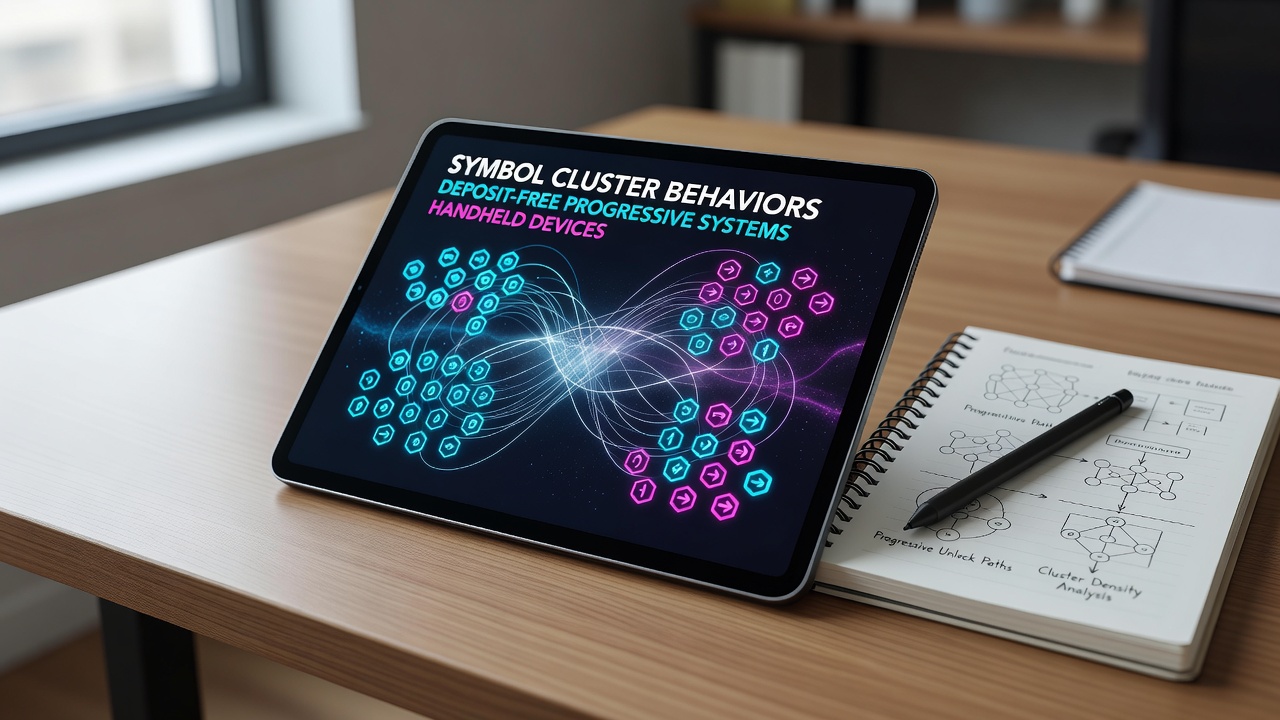
Symbol clusters emerge when matching icons group together across adjacent reels or positions rather than following fixed paylines, and this approach has gained traction in deposit-free progressive environments on handheld devices where players access bonus-funded rounds without initial stakes. Researchers at several gaming technology labs have documented how these clusters trigger multipliers that feed into shared jackpot pools, with data from the New Jersey Division of Gaming Enforcement showing a 12 percent rise in mobile progressive participation during the first half of 2026.
Developers design these systems so that cluster size directly influences contribution rates to the progressive meter, allowing smaller groups to build toward larger payouts while bigger formations accelerate jackpot growth. Observers note that handheld screens introduce unique constraints because limited display real estate affects how symbols animate and settle into clusters, yet software optimizations maintain consistent behavior across devices.
Data Patterns Observed in August 2026
Figures released in August 2026 by state regulators indicated that cluster-based progressive titles accounted for nearly 28 percent of all no-deposit mobile sessions in participating jurisdictions. Those numbers align with findings from industry reports that track symbol frequency and payout distribution, revealing that clusters of four to six identical symbols appear at higher rates during free-play sequences than during standard paid spins.
Engineers adjust random number generator parameters so that cluster probability scales with the current progressive level, and this calibration prevents premature jackpot hits while sustaining player engagement across extended sessions. What's interesting is how the same underlying code produces different cluster densities on tablets versus smartphones because of varying pixel densities and refresh rates.
Interface Design Influences on Cluster Formation
Interface designers incorporate touch-responsive zones that highlight potential cluster areas before symbols lock into place, giving users visual feedback without altering the underlying mathematics. Studies conducted by university-affiliated gaming research groups have measured how these visual cues affect perceived fairness, though the actual outcomes remain governed by certified algorithms.
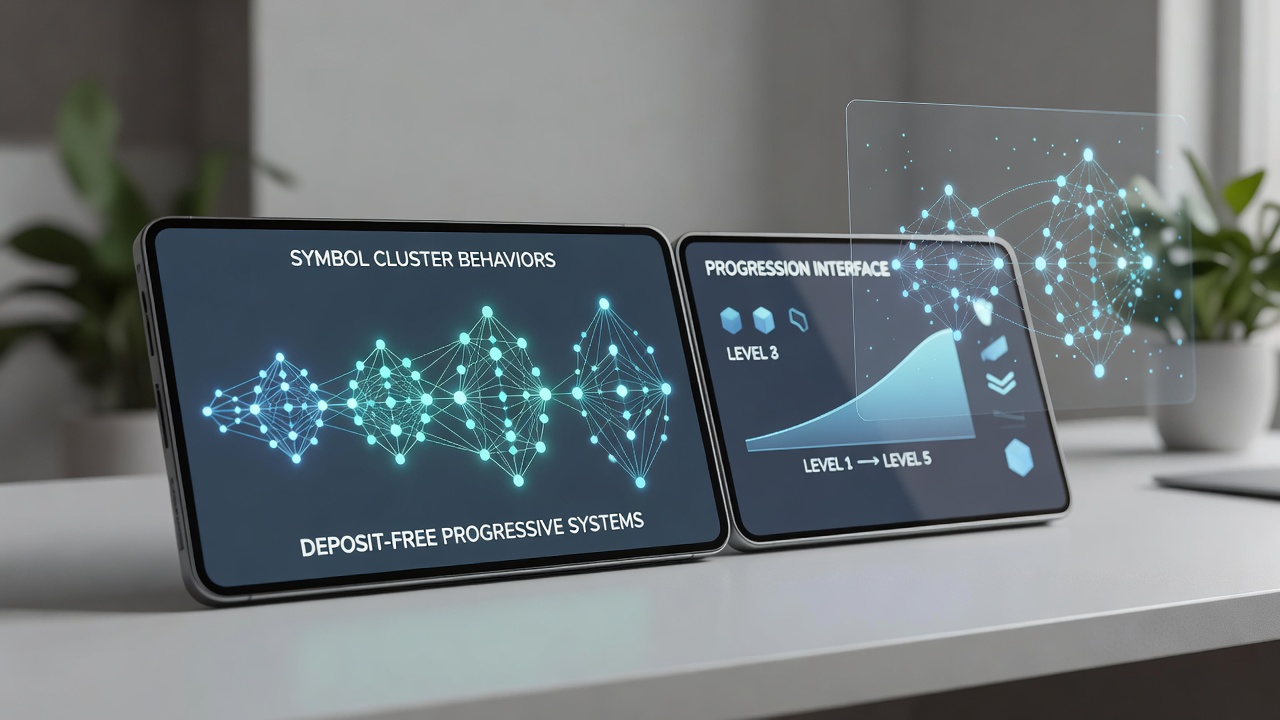
Progressive meters displayed alongside the reels update in real time as clusters form, and this synchronization draws from pooled contributions across multiple operators. In August 2026 several platforms reported smoother meter progression during no-deposit events after implementing refined cluster detection routines that reduce false positives on edge-touch inputs common to handheld use.
Regulatory and Technical Considerations
Regulatory bodies such as the Alcohol and Gaming Commission of Ontario require independent testing of cluster algorithms before approving titles for no-deposit distribution, and similar standards apply in other Canadian provinces. These tests verify that progressive contributions remain proportional to cluster outcomes regardless of device type or connection speed.
Technicians have identified that network latency can occasionally delay meter updates, yet modern implementations buffer local cluster calculations to keep gameplay uninterrupted. Data from the Australian Communications and Media Authority shows mobile progressive titles with cluster mechanics maintained uptime rates above 99.4 percent throughout mid-2026 testing periods.
Future Directions for Cluster-Based Progressives
Engineers continue refining how cluster size interacts with multi-level jackpot structures, and early prototypes suggest that adaptive weighting based on historical play data could further balance contribution rates. Handheld hardware improvements, including higher refresh displays and faster processors, support more complex cluster animations without sacrificing performance during simultaneous progressive updates.
Those who've analyzed session logs report that players tend to extend no-deposit rounds when clusters form visibly and frequently, a pattern consistent across multiple device generations. Certification labs maintain ongoing audits to ensure these behaviors stay within approved mathematical boundaries.
Conclusion
Symbol cluster behaviors in deposit-free progressive systems on handheld devices reflect a convergence of certified algorithms, interface adaptations, and regulatory oversight. Data collected through 2026 demonstrates steady growth in mobile adoption while preserving the integrity of progressive pools. Continued collaboration between developers, regulators, and device manufacturers supports consistent performance across evolving hardware landscapes.