Traditions Across Borders Shape Icon Choices in Worldwide Mobile Probability Platforms
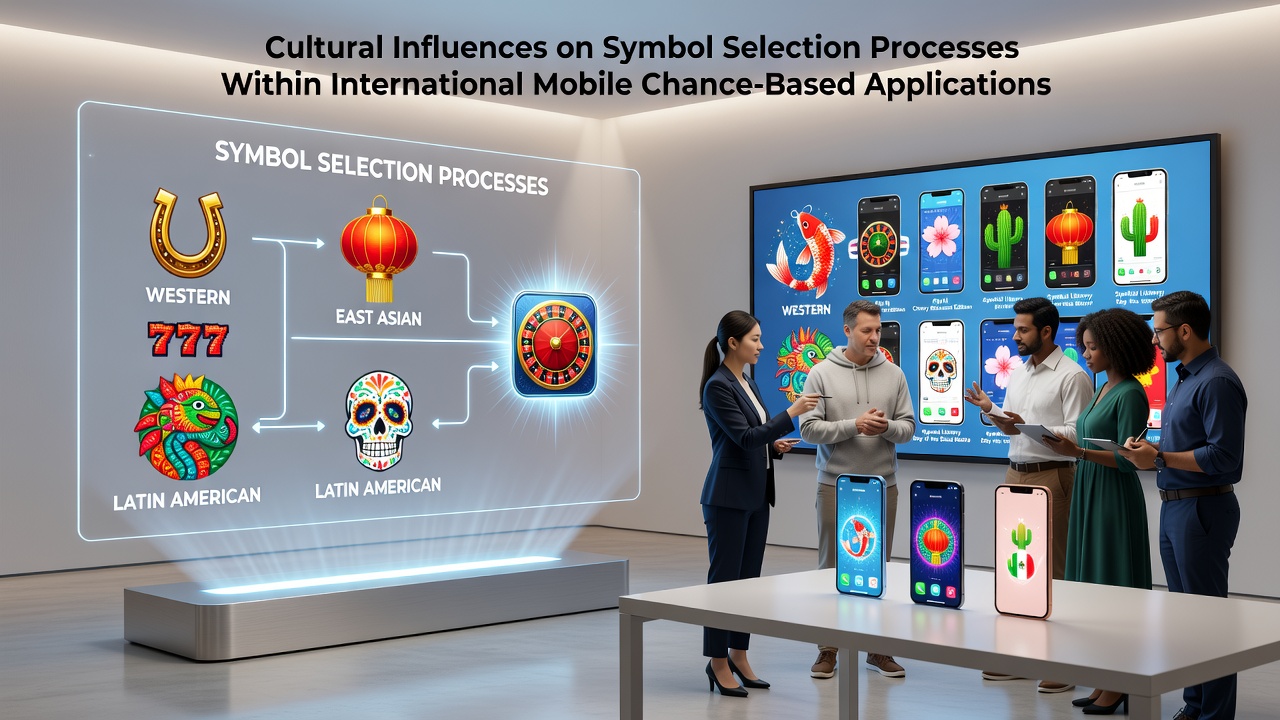
Developers working on international mobile chance-based applications face ongoing decisions about which symbols appear on virtual reels, and cultural factors play a documented role in those selections. Research from academic institutions across multiple continents shows that icon libraries often incorporate local motifs, historical references, and regional color associations to align with player expectations in specific markets. Data collected by industry analysts indicates that these adaptations occur during the design phase rather than after launch, since early integration reduces the need for later localization patches.
Symbols drawn from East Asian traditions frequently feature dragons, lanterns, and cherry blossoms in applications targeting users in Japan, South Korea, and parts of Southeast Asia. European markets, by contrast, show higher instances of medieval crests, alpine landscapes, and classical architectural elements according to reports from gaming research groups in Germany and France. Developers track these patterns through usage metrics that reveal regional click-through rates on particular icon sets, allowing teams to refine future releases without altering core probability algorithms.
Regional Regulatory Contexts and Symbol Guidelines
Government agencies in Australia and Canada have published frameworks that indirectly influence symbol selection by setting standards for visual clarity and cultural sensitivity. The Australian Communications and Media Authority, for example, requires that all displayed elements remain distinguishable on smaller screens, which leads design teams to favor bold, high-contrast imagery rooted in Indigenous Australian art forms when building titles for that jurisdiction. Canadian provincial regulators similarly review submissions for content that aligns with First Nations heritage symbols, prompting studios to consult local advisors before finalizing icon libraries.
These regulatory touchpoints create measurable differences in symbol pools across versions of the same application. A title released in Oceania might replace standard playing-card suits with native flora and fauna, while the European variant retains more neutral geometric shapes. Observers note that such modifications maintain consistent mathematical return-to-player percentages even as visual layers change, because the underlying random number generators operate independently of graphic assets.
Color Associations and Market Performance Data
Color psychology studies conducted at universities in Brazil and South Africa demonstrate that certain hues carry stronger cultural resonance than others. Red dominates selections for Chinese New Year themed releases because market testing shows elevated engagement during festival periods, whereas blue tones appear more frequently in Nordic versions due to associations with calm and trust. Figures released in June 2026 by a consortium of Latin American gaming operators revealed that applications incorporating local carnival imagery recorded higher session lengths in Brazil compared with generic international templates.
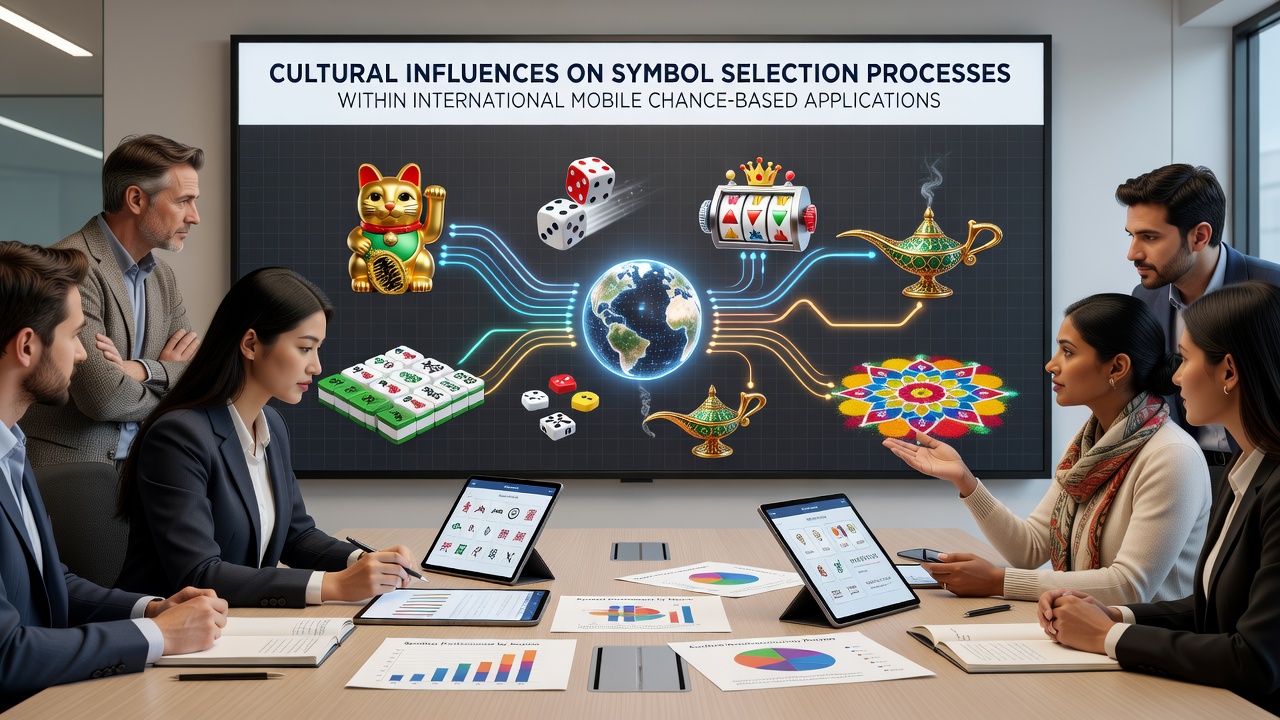
Design teams therefore maintain modular asset libraries that allow quick swaps of color palettes and icon sets while preserving identical reel mechanics. This approach supports simultaneous launches across time zones without requiring separate code branches for each region.
Collaboration With Cultural Experts
Studios increasingly engage anthropologists and local historians during the symbol approval stage. One documented case involved a Canadian developer partnering with Inuit artists to create a limited-edition application featuring traditional carvings and storytelling elements. Usage statistics shared by the studio indicated sustained player retention over six months, with minimal complaints about cultural misrepresentation. Similar partnerships have emerged in New Zealand, where Māori design principles guide the selection of koru patterns and meeting-house motifs for titles distributed in that market.
Academic papers from the University of Melbourne and the National University of Singapore have examined how these collaborations affect both player satisfaction and regulatory approval timelines. The studies found that early involvement of cultural consultants shortened review periods by an average of three weeks in jurisdictions with strict content guidelines, while also reducing post-launch modification requests.
Technical Implementation and Asset Management
Modern development pipelines rely on cloud-based asset management systems that tag symbols according to cultural origin, screen-size compatibility, and file size. This tagging enables automated version generation for different app stores, ensuring that users in India receive applications featuring rangoli patterns and lotus motifs while users in the Middle East see selections built around geometric arabesque designs. The same random number generator code runs across all variants, which keeps payout structures uniform regardless of visual customization.
Engineers report that maintaining separate symbol databases adds roughly 15 percent to initial production time, yet the investment pays off through broader market reach and fewer localization updates after release. Industry reports from the European Gaming and Betting Association highlight that titles employing culturally aligned symbols achieve faster certification in multiple jurisdictions simultaneously.
Conclusion
Cultural influences on symbol selection continue to shape the visual identity of international mobile chance-based applications through documented practices involving regulatory compliance, academic research, and expert consultation. Data from operators and studies indicate that these adaptations occur without altering underlying probability models, allowing consistent game mathematics across diverse markets. As platforms expand into new regions, the integration of regionally resonant icons remains a measurable component of development workflows.